We study the materials and device physics that limit solid-state quantum hardware performance, and use this understanding to engineer longer coherence, lower errors and scalable interconnects.
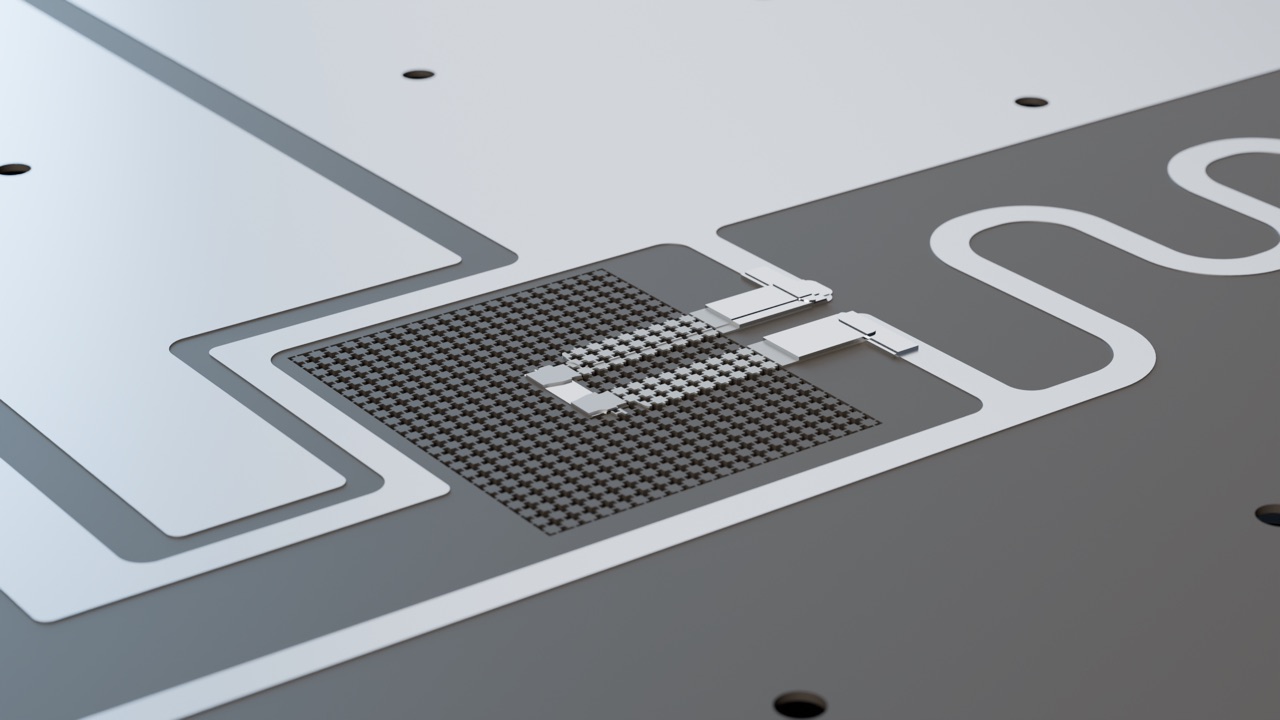
Superconducting circuits are the leading solid-state platform for quantum computing, and their error rates are set largely by decoherence. We study how superconducting qubits lose coherence to defects and phonons, and engineer these interactions to build qubits with longer coherence and lower error rates.
Quantum hardware, like its classical counterparts, needs interconnects between processing, memory and communication modules. We use emerging materials and new device architectures to develop high-fidelity quantum transducers between electrical, mechanical, spin and optical quantum states.
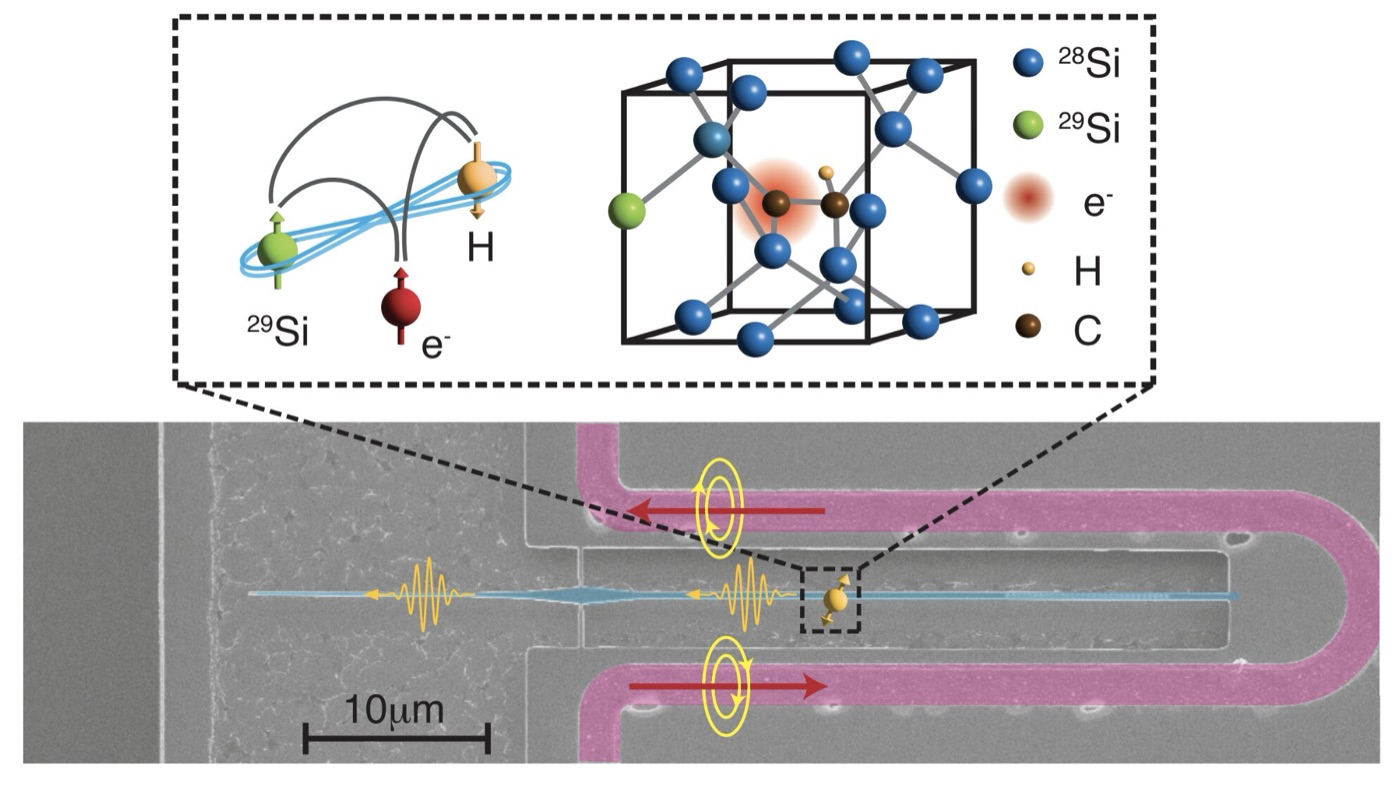
Defects in silicon can act as artificial atoms with telecom-band optical transitions and long-lived spins. We engineer these defects in silicon photonics to build scalable, optically interconnected quantum network nodes.